






 Current location:
Sit Stand Desk Explained: How It Works and How to Use It
Author:handyersmart Date:2026-10-22 08:41:27 Click:148
A sit stand desk is a height-adjustable workstation designed around two positions rather than one: a comfortable seated height and a comfortable standing height, with the ability to move between them. The phrase says as much about the working method as about the furniture. A sit stand desk is not meant to be used standing all day; it is meant to make sitting and standing interchangeable, so a user can break up long periods in one posture. This article explains how a sit stand desk works, how to set it up for both positions, and what separates it from a plain standing desk.
What Is a Sit Stand Desk?
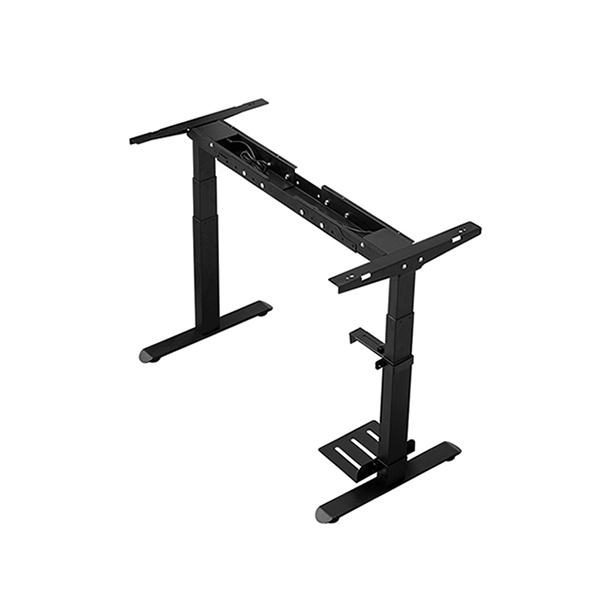
A sit stand desk is a desk whose surface can be raised and lowered so the user can work while seated or while standing. At its lowest setting it behaves like an ordinary seated desk; at its highest it becomes a standing workstation. The term overlaps with "standing desk" and "height adjustable desk", but "sit stand" emphasises the two working postures and the movement between them. A typical example is shown in the electric sit stand desk product line, where the desk is built specifically to support both positions.
The Idea Behind Sit Stand Working
The sit stand concept grew out of research into prolonged sitting. Long uninterrupted periods in a seated position have been associated with health risks and with musculoskeletal discomfort, and an expert statement in the British Journal of Sports Medicine argued for reducing and breaking up sedentary time in the office. The practical answer is not to stand permanently — standing all day has its own problems — but to change position. A sit stand desk exists to make that change easy, so that alternating becomes a normal part of the day rather than an effort.
How a Sit Stand Desk Works
The Adjustment Mechanism
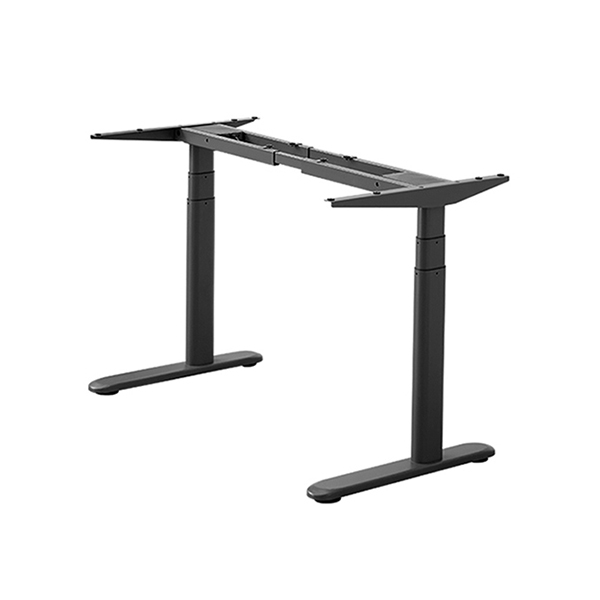
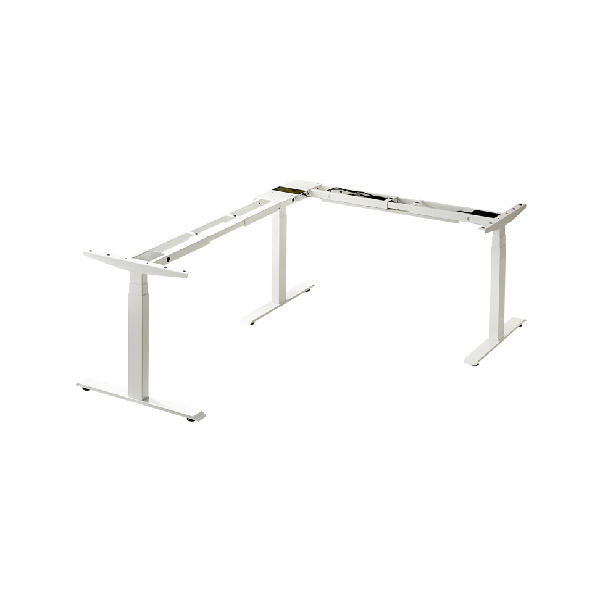
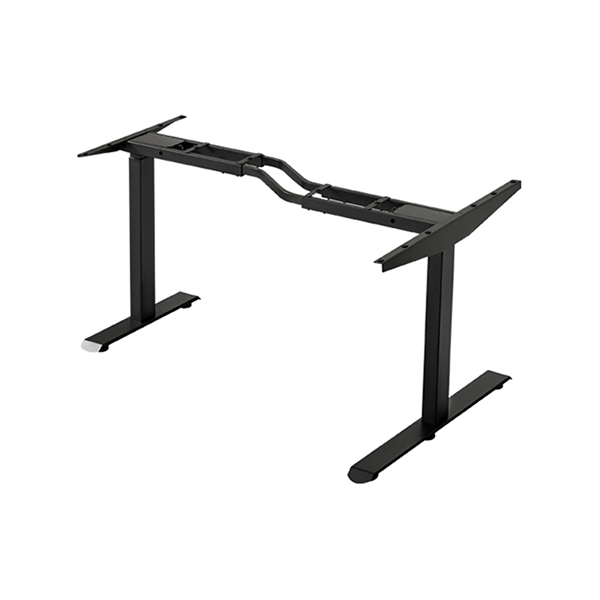
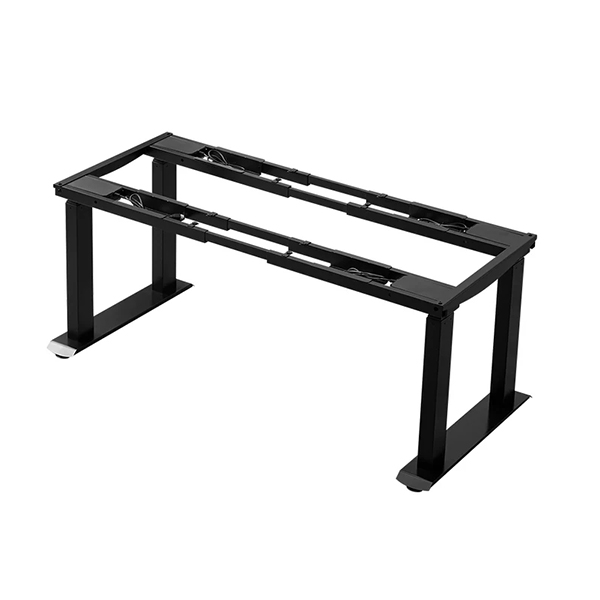
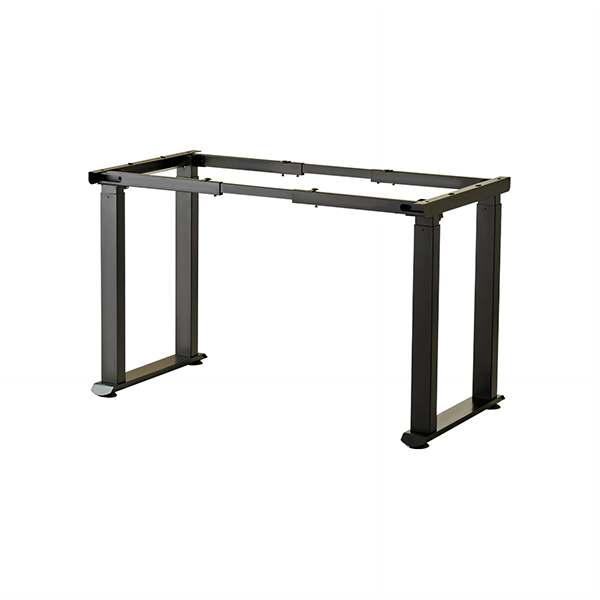
The desk works through a height-adjustment mechanism built into its base. The desktop sits on telescopic lifting columns, and the length of those columns is changed to move the surface. On a manual desk the user cranks or lifts the surface; on an electric sit stand desk, motors raise and lower it at the press of a button. The electric version is the more common for sit stand use, because frequent position changes are much easier when the desk does the work. The powered base is also available separately as an electric sit stand desk frame.
Setting Sitting and Standing Heights
A sit stand desk is used at two main heights:
Sitting height — set so the forearms rest roughly level with, or slightly below, the surface while the shoulders are relaxed.
Standing height — set so the elbows are at roughly the same relationship to the surface when the user is on their feet, typically noticeably higher than the seated setting.
On desks with memory presets, both heights can be stored, so returning to either is a single press. Even without presets, noting or marking the two positions makes alternation quicker.
Moving Between Positions
The mechanics of moving are simple — press the control to raise or lower — but the routine matters as much as the mechanism. Most guides to sit stand working suggest alternating at intervals through the day rather than switching once, and using the movement as a prompt to change posture, adjust the monitor and take a short break from the previous position. The desk's value lies in how little friction sits between the two positions.
Why Alternating Matters
Alternation is the point of a sit stand desk. Standing for a few minutes after a long seated stretch changes the load on the back, legs and circulation; sitting again later relieves the legs. The benefit comes from the change of position, repeated over the day, rather than from any single "correct" stance. This is why a sit stand desk is judged on how easily and how often its user actually changes position, not on the highest setting it can reach.
Setting Up a Sit Stand Desk Properly
An adjustable surface is one element of a comfortable workstation; the surrounding setup matters just as much:
Monitor height — when standing, raise the monitor so the top of the screen sits near eye level.
Keyboard and mouse — position them so the wrists stay straight at both heights.
Chair — when seated, set the chair so the feet rest flat and the thighs are supported.
Floor — when standing, an anti-fatigue mat and supportive footwear make longer standing periods more comfortable.
Movement — treat the desk as a reason to move, not as a substitute for moving.
Sit Stand Desk vs Standing Desk: What's the Difference?
The two terms describe closely related products, and many desks are sold under both names. The difference is one of emphasis:
A standing desk highlights the standing position as the reason to buy.
A sit stand desk highlights the ability to work in both positions and to alternate.
In practice, a good height-adjustable desk serves both descriptions. The useful question is less about the label and more about the range: does the desk reach a comfortable setting for both sitting and standing for the people who will use it? A height adjustable desk built with a wide enough range covers sit stand use directly.
Common Mistakes When Using a Sit Stand Desk
A sit stand desk is easy to use, but a few habits reduce its value. The most common mistake is standing for long, uninterrupted stretches in place of long sitting — swapping one fixed posture for another. The second is setting the standing height by eye and leaving it too low, so the user ends up leaning on the surface rather than standing upright. The third is forgetting the monitor: raising the desk without raising the screen leaves the neck bent down at standing height. A fourth is treating the desk as a substitute for movement; the desk creates the opportunity to change position, but standing still for hours carries its own fatigue. Alternating regularly, checking the standing height, and adjusting the monitor and keyboard to suit each posture all matter as much as the desk itself.
Choosing a Sit Stand Desk
Adjustment method — electric for frequent alternation, manual if the height changes rarely.
Height range — covering comfortable seated and standing heights for each user.
Load capacity — enough for the desktop and equipment, with margin.
Stability — steady at standing height, where wobble is most noticeable.
Control features — memory presets make alternation much quicker.
Desktop size — suited to the work and within the frame's supported range.
Buyers can review the available desks and frames or confirm range and load requirements with the supplier for a specific setup.
FAQ
How often should I switch between sitting and standing?
There is no single rule, but the aim is frequent, regular alternation rather than one long standing session. Many users change position roughly every half hour or hour; the important point is that the change is easy enough to become habitual.
Do I need an electric sit stand desk, or is manual enough?
If you intend to alternate several times a day, electric adjustment is far more practical, because raising and lowering takes almost no effort. A manual desk suits situations where the height is set occasionally.
Can a sit stand desk be used only for sitting?
Yes. At its lowest settings it works as a normal seated desk. The standing position is simply available whenever the user wants it.
What is the right standing height for me?
Standing height is usually set so the elbows sit at roughly the same level relative to the surface as they do when seated, with the shoulders relaxed. Because users differ, the desk's range must be able to reach that point.
Is a sit stand desk the same as a standing desk?
They are the same family of furniture. "Sit stand" emphasises working in both positions and alternating between them; "standing" emphasises the standing position. Most height-adjustable desks serve both uses.
Conclusion
A sit stand desk works by making two working heights — one seated, one standing — available from a single surface, and by making the move between them simple. The mechanism is the same telescopic lifting system found in other height-adjustable desks; the difference is the working method it supports. Set both positions correctly, alternate at intervals through the day, and arrange the monitor, keyboard and chair to suit each posture, and the desk delivers what its name promises: a workstation that moves as the user does. The measure of a good sit stand desk is not how high it rises, but how readily its user changes position.
References
Buckley, J. P., Hedge, A., Yates, T., Copeland, R. J., Loosemore, M., Hamer, M., Bradley, G., & Dunstan, D. W. (2015). The sedentary office: an expert statement on the growing case for change towards better health and productivity. British Journal of Sports Medicine, 49(21), 1357–1362.
Thorp, A. A., Kingwell, B. A., Sethi, P., Hammond, L., Owen, N., & Dunstan, D. W. (2014). Alternating bouts of sitting and standing attenuate postprandial glucose responses. Medicine & Science in Sports & Exercise, 46(11), 2053–2061.
Cornell University Ergonomics Web (CUErgo). Sitting and Standing at Work. Cornell University.
Occupational Safety and Health Administration (OSHA). Computer Workstations eTool — Workstation Components. U.S. Department of Labor.
ISO 9241-5:1998. Ergonomic requirements for office work with visual display terminals (VDTs) — Part 5: Workstation layout and postural requirements. International Organization for Standardization.
Langfang Hanger Intelligent Technology Co., Ltd.
Copyright © 2026-2027 https://www.handyersmart.com. All Rights Reserved Langfang Hanger Intelligent Technology Co., Ltd.Copyright